Targeted immune cell modification
directing genetic instructions to the intended immune cells.

Research & science
Exploring New Frontiers in Advanced Cellular Therapy.
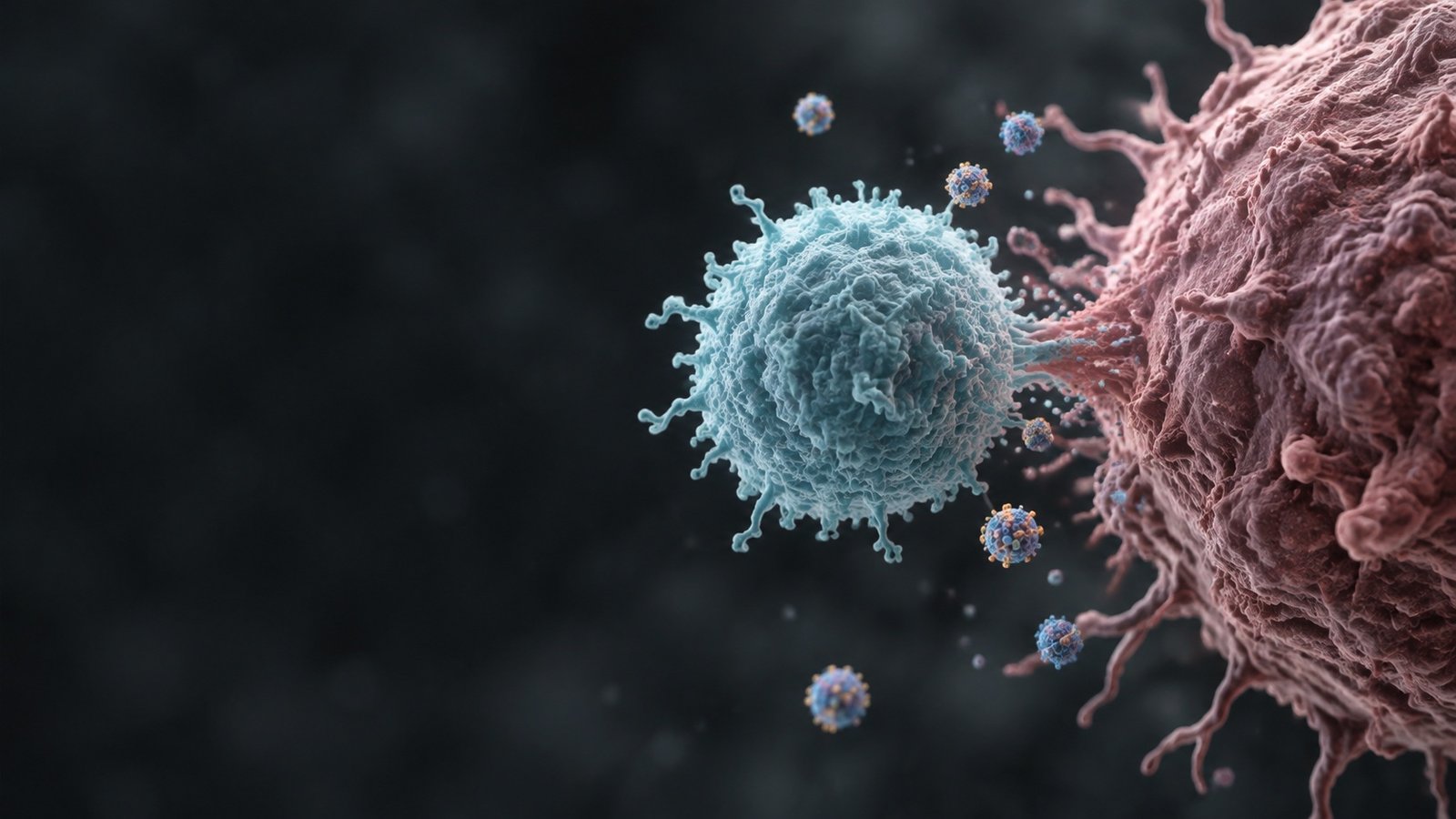
Engineering immune cells to recognise cancer targets.
Researching modification of immune cells directly inside the body.
Educational information — not a treatment service or trial.
An evolving field
This page introduces an evolving scientific field. It is educational information, not an announcement of a treatment service, a clinical trial or an enrolment opportunity at ZIADE Polyclinic.
How the approaches differ
T-cells collected from the patient
Cells modified in a specialised facility
Engineered cells multiplied
Cells returned to the patient
Genetic instructions packaged in a delivery carrier
Carrier directed to selected immune cells
Cells produce the CAR inside the body
Safety and response carefully studied
Simplified illustration for education. In vivo CAR-T remains an evolving research area.
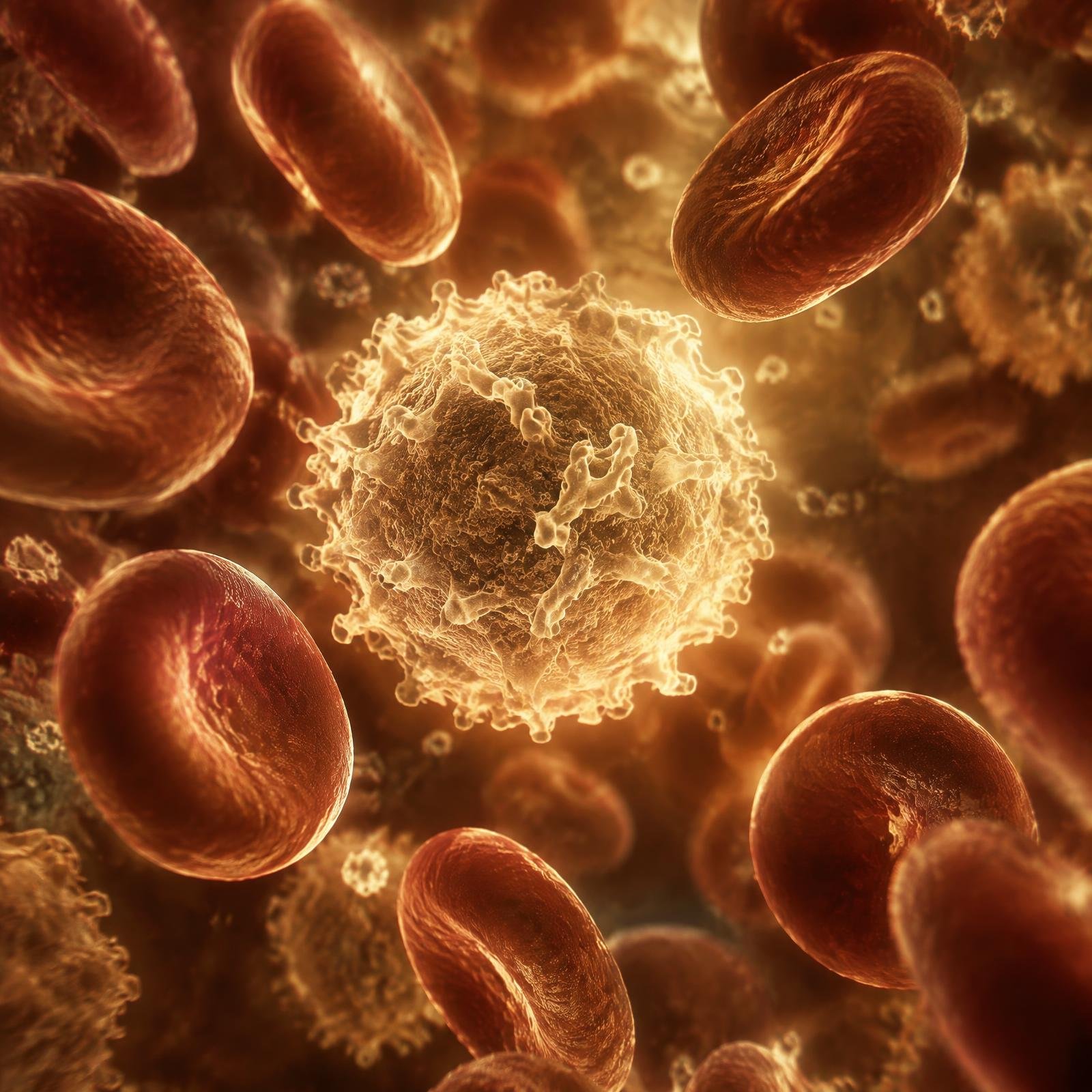
T-cells are immune cells that help the body recognise and respond to threats. CAR-T research uses genetic instructions to give T-cells a chimeric antigen receptor (CAR), designed to recognise a selected target on cancer cells.
In conventional ex vivo CAR-T approaches, T-cells are collected from the patient, modified outside the body and returned. In vivo approaches investigate whether the modification can instead take place within the body.
Explore OncologyIn vivo means ‘within the living body’. Researchers investigate ways to deliver genetic instructions directly to selected immune cells inside the body, so those cells may produce a CAR. Targeting the right cells and controlling the response are important scientific challenges.
directing genetic instructions to the intended immune cells.
investigating carriers that can reach cells effectively and selectively.
studying receptors designed to recognise particular cellular targets.
exploring where these approaches may be useful, including selected blood cancers and other cancer settings under investigation.
studying unwanted immune effects, delivery risks, durability and whether a proposed approach works as intended.
The field is attracting interest because modifying cells inside the body could change how cellular therapies are developed and delivered. Researchers are studying whether these approaches might support more personalised cancer treatment in the future. Potential advantages remain research questions, not promised benefits.
Progress in this field depends on expertise in oncology, immunology, molecular science and delivery technology, alongside careful collaborative evaluation. These disciplines help connect laboratory observations with questions about clinical safety and effectiveness. No active ZIADE research partnership or trial is announced on this page.
Explore Clinical HematologyIn vivo CAR-T is an evolving research area. ZIADE Polyclinic does not announce approved or commercially available in vivo CAR-T treatment on this page. No clinic trial, active research partnership, patient eligibility or enrolment opportunity has been confirmed. Any future information would require clinic confirmation and applicable approvals.
It is an approach that engineers T-cells to carry a receptor designed to recognise a selected target on cancer cells. Its suitability depends on the specific product, condition and clinical setting.
Conventional ex vivo approaches modify collected T-cells outside the body. In vivo research investigates delivering genetic instructions to immune cells within the body.
It remains an evolving research area and should not be treated as a generally established or routinely available treatment. Findings and regulatory status depend on the specific approach.
Research explores selected blood cancers and other cancer settings, depending on the target and delivery approach. This does not imply eligibility or availability at ZIADE.
ZIADE has not confirmed an in vivo CAR-T treatment service, clinical trial or enrolment opportunity. This page provides scientific education only.
Contact the clinic with general scientific questions. Any clinic-specific research announcement or patient opportunity would need verified confirmation before being shared.
Connected care
Dubai × Lugano · Subspecialist input · Joint committees
Expert review · Teleconsultation · Committee access
Non-cancerous conditions · Shared assessment · Dubai–Lugano review
Contact & Appointments
Call our team or prepare an email enquiry to discuss the right physician and appointment time. Please do not include medical records or sensitive health information.